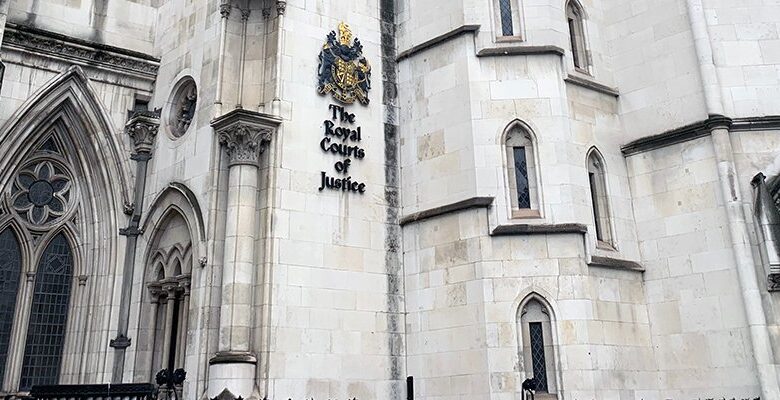
ال محكمة التحقيق (IPT) هي هيئة قضائية شبه سرية غير عادية مقرها لندن ، ولكنها أيضًا قادرة على الجلوس في اسكتلندا أو أيرلندا الشمالية. إنها تنفذ العديد من وظائفها سراً ، بما في ذلك جلسات الاستماع “المغلقة” التي يمكن من خلالها استبعاد الجمهور والصحافة بالكامل.
ويشمل اختصاصها المتخصص شكاوى سماع الأفراد الذين يعتقدون أنهم يخضعون للمراقبة غير القانونية ، وسماع الاستئناف من مقدمي خدمات الاتصالات ضد الأوامر الصادرة لهم من قبل الحكومة ، ومراجعة القواعد التي تحكم صلاحيات المراقبة لضمان امتثالهم لقانون حقوق الإنسان.
رئيس المحكمة هو حاليا اللورد القاضي رابيندر سينغ ، قاضي محكمة الاستئناف وأخصائي في قانون الإداري وحقوق الإنسان. يشكل سبعة قضاة وأربعة كبار محامين أيضًا اللوحات القضائية للمحكمة.
كم عدد الشكاوى التي تسمعها المحكمة؟
زاد عبء العمل وأهميته في المحكمة بشكل مطرد في السنوات الأخيرة. وفقا ل أحدث البيانات المتاحة، تلقى أكثر من 400 حالة في عام 2023 ، والتي تزيد عن ضعف الرقم الذي تم استلامه في عام 2017.
ومع ذلك ، يتم رفض معظم الشكاوى التي تتلقاها على أنها “تافهة/مزعجة” ، والتي تعكس في حد ذاتها موقف المحكمة الفريد كنقطة اقتران هيكلي بين النظام القانوني والسلطات الأكثر سرية للدولة ، والشكوك والجنون العظمة التي يمكن أن تولدها مثل هذه السلطات.
ما هي بعض الحالات الرئيسية لـ IPT؟
يتم رفض العديد من الشكوى إلى المحكمة دون إصدار قرارات عامة. ومع ذلك ، في السنوات الأخيرة ، لعبت المحكمة دورًا مهمًا في بعض الحالات الأكثر حساسية وخطورة فيما يتعلق بسلطات المراقبة في المملكة المتحدة.
وتشمل هذه سلسلة من الأحكام الرئيسية المتعلقة بالإفصاحات Snowden (ناقش أدناه) وفضيحة “spycops” التي شكلت الشرطة السرية علاقات جنسية بشكل غير قانوني مع النساء كانوا يتجسسون ، يخدعون طريقهم إلى حياة الناس. في ديسمبر 2024 ، قامت المحكمة بتغريم الشرطة في أيرلندا الشمالية بعد أن حققت نتائج واسعة حول المراقبة غير القانونية للصحفيين في أيرلندا الشمالية.
إن قصة كيفية ظهور هذه الهيئة القضائية غير العادية مثيرة للاهتمام مثل الحالات التي تحددها.
ما هي أصول IPT؟
أصل IPT يمكن تتبعه للترتيبات الدستورية القديمة في بريطانيا. في بريطانيا ، على عكس البلدان التي تنظم القوى العامة بالرجوع إلى القواعد الدستورية المكتوبة ، ظهرت الدولة الحديثة في ظل السلطة الرمزية القديمة للتاج. تم تطوير العديد من القدرات الأكثر تدخلاً للحكومة دون الحاجة إلى السلطة التشريعية وبدون خطر الإشراف القضائي.
كما هو مفصل في اعتراض، تكمن أولوية الحكومة في ضمان ظهور سلطات الأمن والاستخبارات سرية ، في حين أن القضاة يؤجلون عادةً إلى التاج على الأسئلة المتعلقة بالأمن. ونتيجة لذلك ، على الرغم من اعتراض الاتصالات الخاصة منذ تأسيس مكتب البريد في عام 1635 ، لم يكن هناك أساس قانوني واضح لاستخدام مثل هذه الصلاحيات حتى الثمانينات ، ولم يتم استخدام مواد التقاطع كدليل في المحكمة المفتوحة. لم يكن لدى الأفراد أسباب لتحدي مثل هذه الصلاحيات أمام المحاكم.
ما الذي أثار الحاجة إلى محكمة؟
تم تشغيل الحاجة إلى التشريع عندما جيمس مالون، تاجر Surrey Antiques ، اكتشف عن طريق الصدفة في عام 1977 أن الشرطة كانت تنقر سراً على هاتفه بموجب مذكرة من وزير الداخلية. لقد طعن في قانونية أمر الاعتقال في المحكمة العليا ، حيث ساعد القاضي في عام 1979 الشرطة من خلال الحكم بأن التنصت على الهاتف كان قانونيًا لمجرد أنه لم يكن هناك شيء لجعله غير قانوني.
لكن القاضي لاحظ أيضًا أن موقف المملكة المتحدة من المحتمل أن يكون غير متوافق مع الاتفاقية الأوروبية لحقوق الإنسان ، وهو وجهة نظر أكدتها المحكمة الأوروبية لحقوق الإنسان في ستراسبورغ في قضية عام 1984 مالون ضد المملكة المتحدة.
ولادة اعتراض محكمة الاتصالات
وبالتالي في عام 1979 ، عقدت وزارة الداخلية مجموعة العمل الداخلية للتخطيط للتشريع. لقد عرفوا أن المؤتمر الأوروبي يتطلب شكلاً من أشكال المراجعة المستقلة لسلطات المراقبة ، لكنهم شعروا أن هذا “سيكون من الأفضل تأطيره بطريقة تجنب أن تصبح الحالات قابلة للإنجاب كنتيجة لذلك”.
وأوصوا بإنشاء لجنة سرية من “مستشارين لوزير الخارجية”. المستشارون “لن يكونوا قادرين على إخبار الفرد بما إذا كان هاتفه قد تم استغلاله أم لا ، لكنهم سيكونون قادرين على تأكيده أنه إذا تم استغلاله ، فقد تم ذلك لسبب وجيه وتبعته الإجراءات المناسبة”.
تم إنشاء اعتراض محكمة الاتصالات (ICT) على النحو الواجب بموجب المادة 7 من[“>Interception of Communications Act 1985, a minimalist piece of legislation that authorised vast surveillance powers.
The ICT never sat in public. Its members were empowered to “determine their own procedure”, meaning they could decide how to investigate complaints of unlawful surveillance, but this was limited by strict procedural rules devised to uphold government secrecy.
The ICT reviewed complaints received on paper and issued written decisions in response, telling complainants only whether their complaint was upheld (meaning there was unlawful surveillance taking place), or not upheld (meaning either that they were under surveillance in accordance with law, or not under surveillance at all).
The deliberate ambiguity was intended to prevent criminals, foreign agents or terrorists from using the tribunal to determine whether or not they were being observed. No further information was to be disclosed and decisions of the ICT were final.
As the barrister and Lib Dem MP Alex Carlile observed during Parliamentary debate, “the essence of the secrecy which underpins the tribunal is that it will have to defy the rules of natural justice”. No complaint to the ICT was ever upheld.
The ICT was the blueprint for the Investigatory Powers Tribunal (IPT), created by section 65 of the Regulation of Investigatory Powers Act 2000 (known as RIPA). As before, the tribunal was primarily intended to receive complaints from individuals who feared they were under unlawful surveillance.
Again, strict procedural rules required the IPT to operate behind closed doors and to issue ambiguous determinations so as to protect the government’s policy of providing ‘neither confirm nor deny’ (NCND) responses to questions about national security. This time, however, things took a surprising turn.
How did the IPT evolve?
Human rights law was, once again, the catalyst for change. In 2002, lawyers representing two complainants to the IPT – one a former police officer, the other the civil liberties organisation Liberty – argued in a private hearing that the tribunal should exercise its statutory power to “determine their own procedure” in a manner compatible with human rights law. This argument was made possible thanks to the relatively new provisions of the Human Rights Act 1998, which incorporated the European Convention into domestic law.
The tribunal sat in public for the first time to hand down an open judgment on its own procedures. It found that the strict secrecy rules laid down by the home secretary went too far. Instead, in any case where the meaning of the law in a given case was unclear, the tribunal would sit in public, hear open legal arguments and publish legal rulings.
However, this rested on a strict theoretical separation of law from the facts. The facts of any given case of alleged surveillance were potentially matters of national security. Only the government can decide whether to make admissions of fact in public, because only the government is empowered to determine the risks of doing so. Therefore, the tribunal’s public function would be limited to making determinations of law only.
What is the ‘neither confirm nor deny’ policy?
The separation of law from facts permits the government to maintain a position of “neither confirm nor deny” in public hearings where sensitive facts remain secret. The law is tested on the basis of “assumed facts”: rather than determining the facts, the IPT proceeds as if the complainant’s concerns are true and determines the legal implications hypothetically.
When the law has been publicly clarified, the tribunal then returns to its intended form, carrying out a top-secret inquiry with the relevant agencies to determine whether anything unlawful has indeed occurred, or whether the complaint is simply “not upheld”.
While the fact/law distinction seems workable in theory, in practice it has produced unexpected results. The 2013 disclosures of sensitive US and UK documents by NSA whistle-blower Edward Snowden provide the most dramatic examples.
Between 2013 and 2015, various individuals, journalists, NGOs and civil liberties campaigners petitioned the IPT to investigate the legality of GCHQ’s practices. Despite the fact that different sources, including the US government, had corroborated the veracity of the documents, the UK government maintained the surreal stance of NCND during the first wave of hearings.
On the basis of euphemistic “assumed facts”, the tribunal heard arguments of extreme complexity on a wide range of issues that the government did not accept were true. This included spying on lawyers in their privileged communications with clients who were suing the government; GCHQ access to NSA data extracted directly from major American internet platforms, referred to as “intelligence sharing”; “hacking” of computer networks and devices; and the acquisition of communication records and personal data concerning millions of people in bulk quantities.
How does the IPT function today?
By early 2015, it was clear that the tribunal would not simply rubber-stamp the legality of whatever the government was “hypothetically” doing. Government policy pivoted from secrecy to a new form of limited transparency. The tribunal assisted this process by developing what the European Court of Human Rights later called the “elucidatory function”: it became the medium through which the government could make public material that was previously withheld “below the waterline” of secrecy.
At the same that the IPT cases were proceeding, the then-independent reviewer of terrorism legislation, David Anderson KC, was reviewing the range and scope of investigatory powers generally. In line with his recommendations, published in June 2015, the government formally avowed the use of all the powers that Snowden revealed and began a process of legal reform. The Investigatory Powers Act 2016 is far more detailed about the powers that it authorises and the safeguards that it places around them than its predecessors.
Today, the IPT is empowered to hold hearings at its own discretion, in the presence or absence of either party, wholly or partly in private. It must “endeavour” to conduct proceedings “in public and in the presence of the complainant”, insofar as it is possible without disclosing sensitive information.
The government retains the right to determine what information it withholds, but to the extent that it does, the IPT must be provided with reasons, and can prevent the government from relying on withheld information in a particular case. All decisions of the tribunal can be appealed to the Court of Appeal – another innovation that has improved transparency.
Since the reforms that were initiated in 2015, the IPT has regularly sat in public and delivered key judgments in important cases concerning the use and abuse of surveillance powers. Judgments from the European Court of Human Rights and the UK Supreme Court have further clarified its jurisdiction and powers – for instance, it يجب الآن النظر في الشكاوى من الأفراد غير الموجودين في المملكة المتحدة ، يحتمل أن يخضعوا للمراقبة من قبل وكالات المملكة المتحدة.
إن بنية علاقة IPT بوكالات الاستخبارات السرية وأصولها التاريخية كهيئة تهدف إلى تحويل المسؤولية القانونية من الدولة ، على الرغم من استقلالها ، فإن بعض قراراتها ستجذب حتماً الجدل والانتقادات.
ومع ذلك ، ليس هناك شك في أنه ، بفضل ضغوط الناشطين في مجال حقوق الإنسان ووسائل الإعلام وبعض الإبداع القضائي ، حولت نفسها من هيئة تهدف إلى دعم وحماية “سلطات التحقيق” إلى هيئة فريدة من نوعها قادرة على التحقيق في تجاوزات الدولة ، مع إبلاغ الجمهور بحقوقهم.
لا سرية تمامًا ولا شفافة تمامًا ، فهي اليوم هيئة قضائية “شفافة” انتقائية تتوسط في القضايا المتعلقة بالمراقبة المعقدة بين المواطنين والشركات والدولة.
برنارد كينان محاضر في القانون في جامعة كاليفورنيا. يركز بحثه على المراقبة وحقوق الإنسان وقوة الدولة إلى جانب تطوير التكنولوجيا الرقمية. هو مؤلف كتاب ” اعتراضكتاب عن تاريخ المراقبة.